

















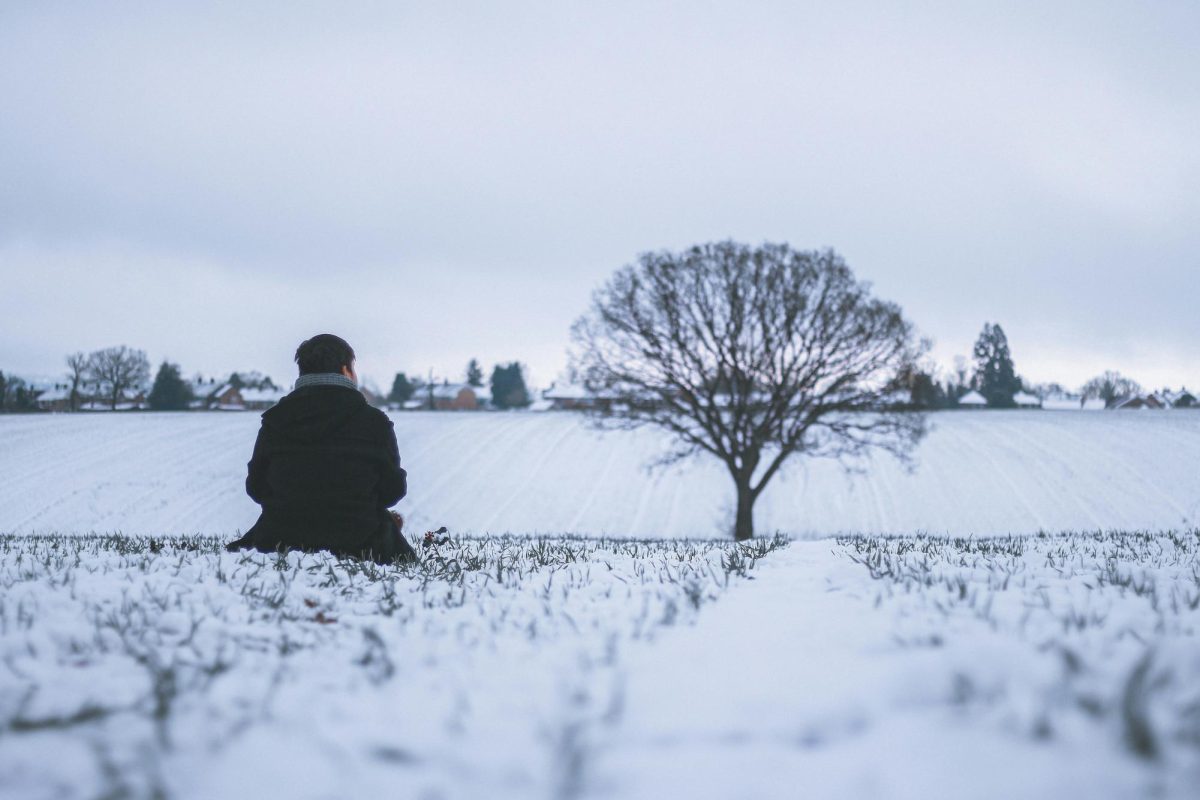
Especially in the depth of a Midwestern winter, it becomes hard to take care of yourself and enjoy the season after the holidays. The barren midwest combined with the rough winters predisposes the whole area to what’s commonly referred to as the “winter blues”. A mix of science and self help can play into many factors deciding the mood of your season.
The transition between seasons, especially into and through winter, creates many chemical imbalances in the brain as it adjusts to the various levels of exposure to sunlight. These ever changing conditions lead to a depressive order known as Seasonal Affective Disorder (SAD). The main issue lies in the amount (or lack thereof) of sunlight observed by the eyes each day. Light taken in through the retinas of your eyes triggers the production of serotonin (the “feel-good” hormone). Inadequate levels of serotonin triggers sudden mood changes or unusual adjustments in bodily functions. Similarly, the length of days increases your body’s melatonin production (the sleep hormone), therefore disrupting your circadian rhythm (the body’s internal clock). The combination of these seasonal agents can seem difficult to overcome as your mood tanks and everyday seems to be more difficult than the last, but there are ways to help prevent or subside these conditions.
For example, take a look into taking care of your physical health or talking to a professional. Physical activity has shown to improve and counteract the symptoms of seasonal depression. Jefferson school Counselor Sara Bade notes “It’s important to stay active and engaged as possible. Exercise is a natural way to release endorphins in the brain that improve mood, increase energy levels, and relieve stress.” She recommends indoor swimming, regularly attending the gym, or going on walks. Anything that raises your heart rate and gets blood flowing. If you feel you need help, Mrs. Bade advises Jefferson’s ALI (Ask, Listen, Inform) anonymous Google report form, the student-ran Hope Squad, or calling or texting 988, the 24/7 mental health line. All of these methods of help are incredibly reliable. Jefferson’s school Counselors are licensed and educated mental health professionals with master’s degrees, Hope Squad is trained in every way to assist their peers, and 988 is the national mental health line.
In summary, go outside, get some sun, get active, spend time with your loved ones, don’t be afraid to ask for help! Even taking one of these steps to improve your mental health is proven to be beneficial to your winter, school year, and rest of your life. Everyone is on your side when it comes to your mental health. You are not alone in this fight.